
#2
STEVE CHEGE
CHIEF CORPORATE & EXTERNAL AFFAIRS OFFICER, SAFARICOM GROUP PLC
Steve Chege is a particularly strong nominee because his work sits at the intersection of technology, public policy, digital inclusion, regulation and stakeholder engagement— areas that increasingly influence how ICT companies expand and innovate.
He currently serves as Chief Corporate Affairs Officer at Safaricom PLC, overseeing public policy, regulatory affairs, sustainability, stakeholder engagement and corporate communications. His career has included senior roles at global technology companies, including Google, before joining Safaricom PLC.
The expansion of the digital economy is often associated with technology—mobile networks, data centres, digital payments and increasingly sophisticated platforms. Yet behind these systems lies another set of equally important questions: How should innovation be regulated? How can businesses work effectively with governments and communities? How can digital growth remain inclusive while creating commercial value? These questions sit at the centre of the work of Steve Chege at Safaricom PLC.

His role reflects the changing nature of corporate leadership in the technology sector. Corporate affairs is no longer confined to communications or stakeholder management. In highly connected industries such as telecommunications, it has become a strategic function that links business objectives with public policy, regulation, sustainability and long-term societal impact. For Safaricom PLC, this role carries particular significance. The company is East Africa’s largest technology businesses, serving more than 50 million customers across Kenya and Ethiopia through mobile connectivity, financial services, enterprise solutions and digital platforms. Its activities touch nearly every part of the economy, from small enterprises and farmers to large corporations and government institutions.
Before joining Safaricom PLC, he held leadership positions in global technology companies, including Google, where he worked on public policy and government relations across Africa. Steve is a purpose driven leader who is passionate about connecting people, communities and opportunities. In such an environment, growth depends on more than investment in infrastructure. It also requires constructive engagement with regulators, policymakers, industry bodies and communities. Chege brings considerable experience to this responsibility.
Before joining Safaricom PLC, he held leadership positions in global technology companies, including Google, where he worked on public policy and government relations across Africa. Steve is a purpose driven leader who is passionate about connecting people, communities and opportunities. That passion and experience provided exposure to some of the major questions shaping the digital economy: access to technology, digital inclusion, data governance, cybersecurity, innovation policy and the relationship between private enterprise and public institutions. These themes have become increasingly relevant in Kenya. The growth of mobile money, digital lending, e-commerce, cloud services and artificial intelligence has created new opportunities while also raising important questions around consumer protection, competition, digital identity and data privacy. Businesses operating in this environment require leaders capable of understanding both technological change and the policy frameworks that guide it. Chege’s role sits within this intersection.
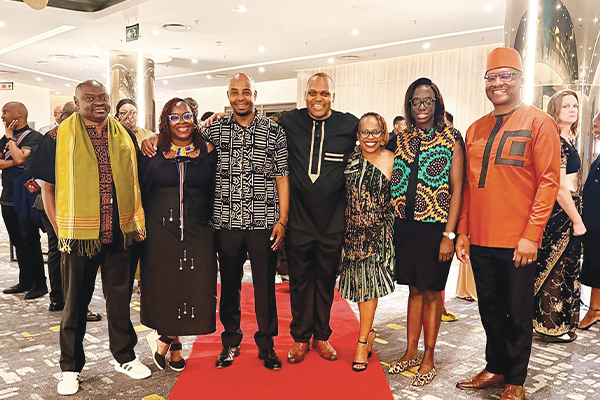
Safaricom PLC’s transformation from a telecommunications operator into a broader technology company has expanded the scope of stakeholder engagement. The company’s services now extend beyond voice and data into financial services, enterprise technology, digital content, cloud solutions and regional expansion. Each of these areas involves a complex network of relationships involving regulators, investors, customers, governments and development partners. Corporate affairs, therefore, becomes part of business strategy rather than an activity operating at the margins.
A major element of this responsibility is building trust. Technology companies increasingly manage sensitive customer information, facilitate financial transactions and provide services that are central to economic life.
Public confidence is therefore shaped not only by the quality of products and services, but also by transparency, responsible conduct and constructive engagement with society. This places communication and policy leadership at the centre of business resilience. Chege has also been associated with conversations around digital inclusion and the role of technology in supporting economic opportunity. The expansion of connectivity, digital skills and access to online services has become an important aspect of Kenya’s economic transformation, particularly among young people, entrepreneurs and small businesses.
For telecommunications companies, such initiatives can contribute both to social impact and to the long-term development of digital markets. The relationship between technology and policy is equally important. Innovation often develops more quickly than regulation. New products, services and business models can create opportunities, but they may also require governments, regulators and industry participants to develop new frameworks. Effective engagement can help ensure that innovation remains responsible while allowing businesses the flexibility to grow. This balancing role has become increasingly important as African markets deepen their digital capabilities.
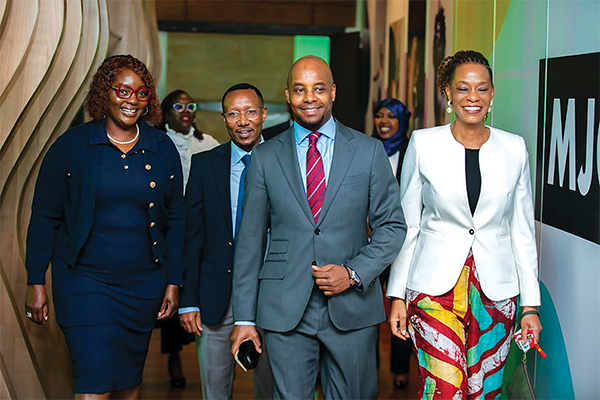
Safaricom PLC’s expansion into Ethiopia has also added a regional dimension to this conversation. Cross-border operations require institutions to understand different regulatory systems, policy environments and stakeholder expectations while maintaining consistent and global standards across markets. For corporate-affairs leaders, this creates a broader mandate encompassing not only communications, but also governance, partnerships and institutional relationships. Chege’s career reflects the evolution of this function. The modern corporate-affairs executive must understand business strategy, public policy, technology, sustainability and reputation management.
The role requires the ability to interpret complex issues, engage diverse stakeholders and identify areas where commercial objectives and public interest can align. These capabilities are increasingly important in the ICT sector, where technology companies operate in highly visible environments and are often expected to contribute to wider conversations about economic development, innovation and digital inclusion.
For Safaricom PLC, these issues are central to the next phase of growth. The company’s future is linked not only to network expansion and technology investment, but also to how effectively it works with governments, regulators, businesses and communities in shaping the digital economy. Steve Chege’s contribution is, there – fore, best understood through this broader lens. His role represents the growing importance of leadership at the intersection of technology, policy and stakeholder engagement—an area that is becoming increasingly significant as Kenya’s economy becomes more connected, digital and data-driven.

As ICT continues to transform business, finance, education, agriculture and public services, leaders who can bridge innovation and public trust will remain essential.
At Safaricom PLC, Steve Chege occupies one of those positions, helping navigate the relationships, policies and partnerships, including Media Relations, ESG and Sustainability functions that underpin long-term growth in East Africa’s digital economy. For instance, for the 2025/2026 financial year, Safaricom PLC’s customer base grew to 71.5 million, with M-PESA revenue surpassing KES 182 Bn. With the Group reaching KES 100 Bn in net income across Kenya and Safaricom Ethiopia Telecommunications PLC.
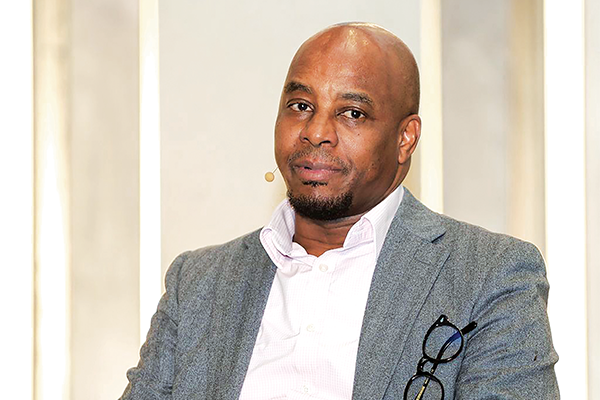
According to Steve, purpose is not separate from performance at Safaricom PLC, it is central to it. Steve holds a Master of Laws (LL.M) in International Trade and Investment Law from the University of Nairobi (UoN) and a Diploma in Law from the Kenya School of Law. He is a Certified Public Secretary (CPS K) and also hold a Practitioner Diploma in Executive Coaching from the Academy of Executive Coaches in the UK. He is a Commissioner of Oaths and a Notary Public.