#19
JAVA HOUSE AFRICA
When a company’s mission is to cater to its customers’ culinary needs, there’s a natural responsibility to care deeply about those it serves and the environment in which it operates. This care becomes more than just an operational necessity – it is a science, one that aligns seamlessly with the core principles of Environmental, Social, and Governance (ESG) commitments. At Java House Africa, this genuine care for people and the planet has been woven into the company’s DNA, and its role in championing ESG values positions it as a leader in sustainable business practices across the region.
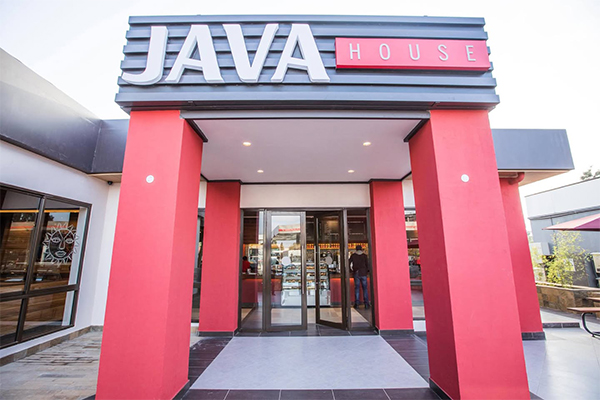
Java House Africa, established in 1999 with its first branch at Nairobi’s Adam’s Arcade, began as a small coffee shop but soon grew into a cherished diner-style restaurant serving much more than just coffee. Today, Java stands as a well-known and beloved brand in East Africa, serving up high-quality meals and beverages. But beyond its culinary offerings, Java House has firmly placed itself at the forefront of the ESG movement, showcasing a firm commitment to environmental stewardship, social responsibility, and strong governance practices.
At the core of Java’s environmental efforts is its innovative approach to waste management. Partnering with Muenzer Kenya, a biotechnology firm, Java recycles over 3,500 kg of used cooking oil from its restaurants, converting it into biodiesel. This process not only reduces waste but also mitigates the harmful environmental impacts associated with improper oil disposal, such as water pollution and clogged drainage systems, which can harm biodiversity.
Java’s sustainability initiatives extend to waste segregation. The restaurant chain carefully sorts its waste, ensuring that organic food waste becomes feed for insects – an essential raw material for producing animal feed. Non-organic waste, such as carton boxes, paper, plastic, and polythene, is sent to National Environment Management Authority (NEMA)-approved recyclers. By employing a thoughtful ‘3-bin’ strategy in its production facility, Java minimises landfill contributions and promotes a circular economy.
Java is leading the charge in reducing single-use plastics by adopting biodegradable packaging and encouraging customers to make environmentally conscious choices. Through reusable products such as ceramic and thermal coffee mugs, Java not only reduces waste but also inspires its customers to take part in sustainable practices. Additionally, its sourcing practices for coffee and tea underscore its commitment to the environment. With sustainably grown coffee beans from Kenya’s high-altitude regions and high-grade teas from fertile soils across Kenya, Java ensures that every cup is both delicious and ethically sourced.
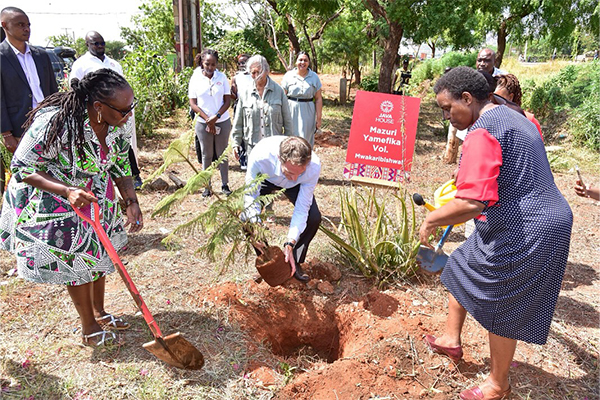
Notably, Java recently launched its #ForestRehabilitation project at Karura Forest, planting 3,000 indigenous trees to combat desertification, restore ecosystems, and halt biodiversity loss. With plans to plant an additional 10,000 trees over the next five years, the company’s environmental initiatives exemplify its commitment to long-term sustainability.
Java’s dedication to social impact begins with its people. As an equal opportunity employer, the company has built a reputation for investing in its employees, offering robust training programs that allow staff to progress from entry-level positions to skilled roles as baristas, chefs, and waitstaff. Java ensures its employees are well-supported through competitive pay, medical insurance, annual leave, and staff meals. Beyond financial compensation, the company fosters a positive and growth-oriented work environment where mentorship and coaching are key pillars.
Under the leadership of CEO Priscilla Gathungu, Java’s social initiatives have expanded significantly. Gathungu’s belief in empowering local communities is evident in Java’s recruitment strategy, where nearly 30 staff members are hired from local communities for each new branch opened. This not only drives local job creation but also strengthens Java’s connection to the communities it serves.

Through the Java Foundation and its partnership with the Food for Education program, Java provides 2,000 daily meals to school children. This ensures that students are nourished and able to focus on their studies, contributing to both improved education outcomes and community well-being.
Java House’s governance framework is built on a foundation of transparency, accountability, and ethical integrity. Under Gathungu’s leadership, the company has established a governance culture that encourages open communication, promotes a culture of respect, and adheres to the highest ethical standards. Java operates with an open-door policy, ensuring that employees feel heard and valued – a practice that has strengthened the trust between the leadership team and its workforce.

In terms of technological innovation, Java is making significant strides to enhance operational efficiency. The company has implemented Microsoft Dynamics 365, a comprehensive enterprise resource planning (ERP) system that integrates financial, inventory, and asset management functions. This system not only streamlines operations but also ensures compliance with local and international regulations, maintaining Java’s commitment to corporate governance best practices.
As Gathungu puts it, “Our commitment to transparency and ethical operations is at the heart of everything we do. We believe that by fostering trust and integrity, we not only strengthen our company but also contribute positively to the broader community.”
As Java House Africa continues to grow and expand, it does so with a clear sense of purpose – one that ensures its operations positively impact both people and the planet.
AUTHOR: KAREN NDUKU
EDITOR: MARILENE MERCY