#18
2016 Volvo S80
The Understated Executive Saloon
Certain vehicles become legendary as they age. Some mature into deals. Both were accomplished by the Volvo S80 in a typical Scandinavian manner, softly, and without fuss. In the executive saloon class, it was never the most thrilling vehicle. It never tried to be. However, it’s difficult to avoid the impression that the S80 was continuously undervalued by a market that was too readily seduced by German insignia when considering what Volvo produced over the course of two generations of this vehicle.
Allow me to argue in favour of it. When the S80 replaced the S90 as Volvo’s flagship saloon in 1998, it made a clear statement about the direction the company was taking. With flowing lines, a clean shape, and an interior that felt more thoughtful than anything Volvo had ever made, it was elegant in a way that felt mature. The second version, which debuted in 2006 and carried the brand until 2016, when Volvo discreetly discontinued it in favour of the S90, was sharper and more polished. The fundamental principles of both generations were to prioritize comfort, always provide safety, and perform well enough to avoid embarrassment.
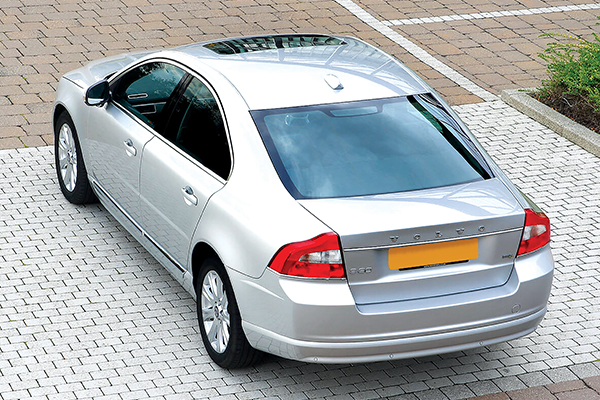
The design of the first model S80 held up amazingly well over time. It had a long, flowing curve on the outside that was tasteful without being pretentious. The taillights at the back had a shape evocative of a more costly age of automobiles, and their proportions were perfect, not too long, not too upright. Depending on your point of view, it appeared to be an automobile for someone who had nothing to prove, which might be seen as either a virtue or a lost chance.
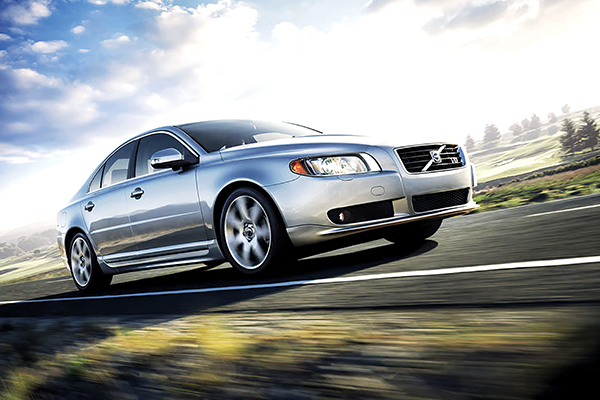
Launched in 2006, the second generation tightened everything. The front became more forceful, the lines sharpened, and the entire package exuded confidence. With lower side skirts, deeper bumpers, and an attitude that suggested it wasn’t simply for the school run, the R-Design trim really looked truly athletic. It was visually competitive with the Mercedes E-Class and BMW 5 Series of its time, and although it may not have been as dramatic in terms of design as they were, it held its own with a subtle, unique Scandinavian elegance that some consumers actively sought for.
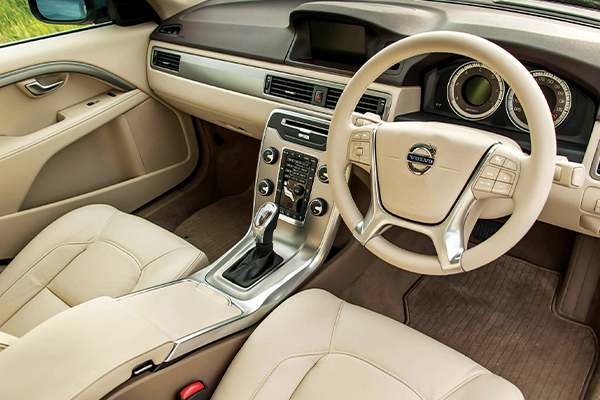
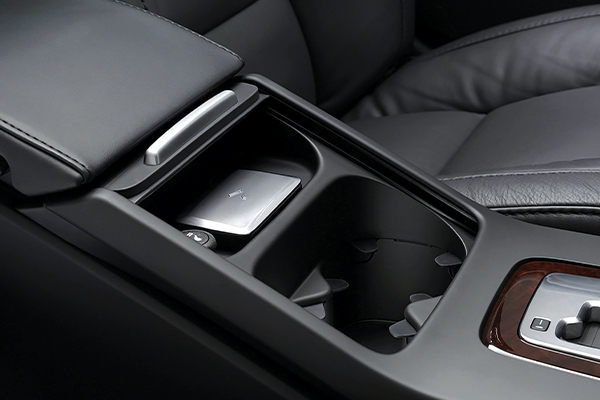
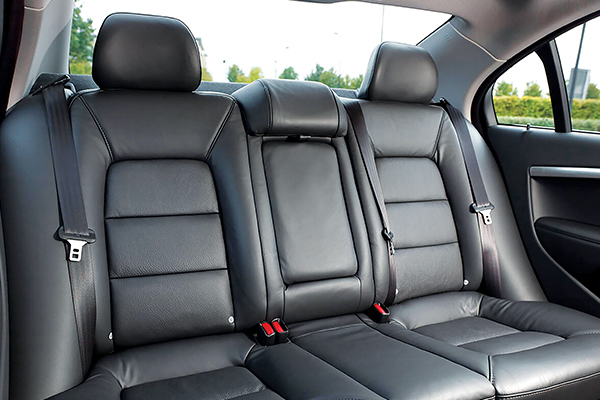
The S80 continuously exceeded expectations inside. The S80 fully embodied Volvo’s cabin concept, which has always placed the occupant above spectacle. The seats were among the greatest in any automobile, regardless of price, and this needs to be said clearly. They might easily transport you across a continent because they are wide, supportive, and skilfully fortified. There was a lot of room for passengers in the back. In contrast to typical German interiors of the time, the dashboard layout, with its distinctive floating centre stack, was clean and rational. These were well-built vehicles that didn’t rattle, creak, or feel cheap in any way. The build quality was superb throughout. This is where those who had previously dismissed the S80 as a comfort cruiser were taken aback.
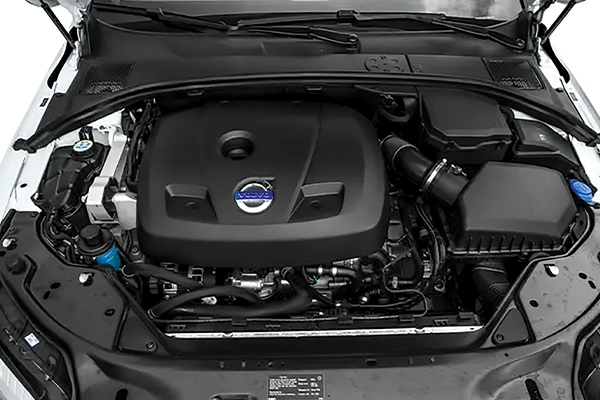
Both generations had a broad and diverse engine range. A 2.4-liter five-cylinder engine with 140–170 horsepower was available to entry-level purchasers; it was comfortable and uncomplicated. The car’s nature was changed by the 3.2-liter inline-six, which delivered a more practical 235 horsepower and made it smooth, elegant, and genuinely effortless on highways. At the top of the range, however, were the actual talking points.
The S80 that surprised you was the T6, which had a twin-turbocharged 2.8-liter inline-six engine that produced 272 horsepower. It pulled confidently, putting the car firmly in performance saloon area with 380Nm of torque available across a wide rpm range. The second generation’s S80 V8, a 4.4-liter V8 with 311 horsepower and a top speed of 100 km/h in about 5.9 seconds, went even farther. That figure is still relevant today, and when combined with Volvo’s AWD technology, it produced that performance with stability and poise rather than drama.
Volvo unveiled the Drive-E turbocharged 2.0-liter four-cylinder engine with 240 horsepower later in the second generation’s existence. It was regarded by reviewers, including those at Kelley Blue Book, as one of the best engines they had tested in the segment; it was efficient, smooth, and unexpectedly eager when pushed. That’s impressive to have on your scoresheet for a vehicle that is frequently written off as a comfort machine.
The S80 made no apologies for the ride quality, which tended toward comfort in all versions. It was never meant to compete with a BMW 5 Series in terms of driver involvement, but handling was calm and predictable. Regular drivers, actual individuals with real commutes and family vacations, found the overall driving experience to be quite appealing, and the steering was light and accurate enough to put the car confidently.
An article about a Volvo wouldn’t be complete without mentioning what the company excels in. With its abundance of safety measures, the S80 was truly ahead of its time in its class. With features like adaptive cruise control, numerous airbags, whiplash protection headrests, Blind Spot Information System, and collision warning with automated brake support, the S80 saw safety as a fundamental premise rather than an add-on. Throughout its production life, it performed exceptionally well in crash tests. That legacy is important, and it continues to be a strong argument for buyers who are concerned about it.
The prestige of a Mercedes or the glitz of a BMW was never present in the Volvo S80. It made no attempt to. Instead, it provided something perhaps more valuable: a vehicle with true integrity, superb ergonomics, unexpected performance depth, and a steadfast dedication to occupant safety. It was the saloon for the buyer who just wanted a great car and had gotten past the necessity for a badge.
It was undervalued by the market. It is being validated by history. It’s still one of the most reasonable and fulfilling executive saloon options ever created, if you can find one in good condition today.