#10
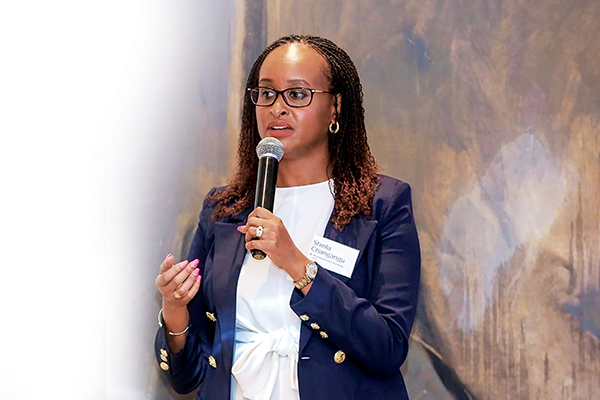
SHEILA CHANGANGU
Powering progress, one payment at a time
In this article, Sheila Changangu tells the story of how Visa is powering progress, one payment at a time and what Visa means to consumers in East Africa.
I often say that a brand is not what we say it is. It is what people feel when they choose us, sometimes instinctively, without even thinking about it. In East Africa today, Visa is no longer just a logo on a card or a payment option at checkout. It has become a symbol of confidence in a fast-changing digital world, quietly enabling everyday life across borders, platforms, and communities.
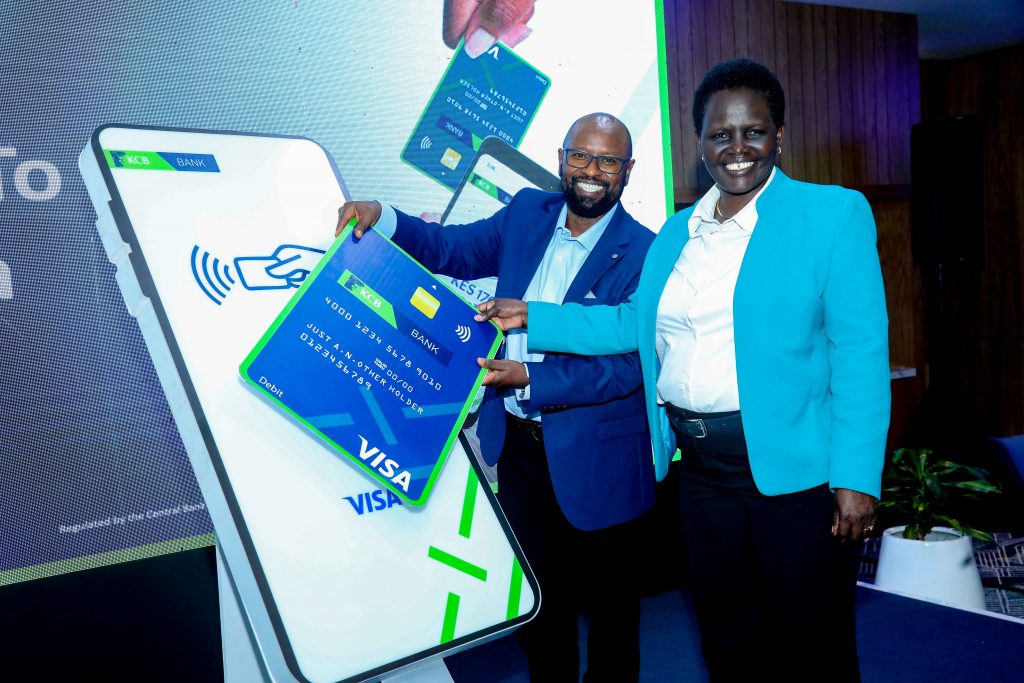
When I reflect on what the Visa brand means to consumers across East Africa, and beyond, one word stands out above all else: trust. This is a region that has leapfrogged traditional banking models and embraced mobile-first innovation. Consumers here are discerning. They understand value, they move quickly, and they expect payment experiences to be secure, seamless, and dependable. Visa’s role has been to earn that trust every single day, transaction by transaction.
East Africa has never been a cards-first market, and that reality has shaped how our brand shows up. Consumers are mobile-native and choice-driven. They pay using phones, QR codes, digital wallets, cards, and increasingly technologies that blend all these together. Visa’s brand today reflects that flexibility. It is not about pushing one way to pay. It is about enabling the freedom to pay in ways that work, safely and reliably. A powerful example of this is M-PESA Global Pay through which M-PESA users can seamlessly transact with businesses and merchants beyond their national borders using Visa’s global acceptance network.
For the consumer, this changes everything. Someone in Nairobi can now pay an international merchant using the funds in their mobile wallet without needing a traditional card or bank account. What Visa represents in that moment is access, access to global commerce while preserving familiar and trusted local behaviour.
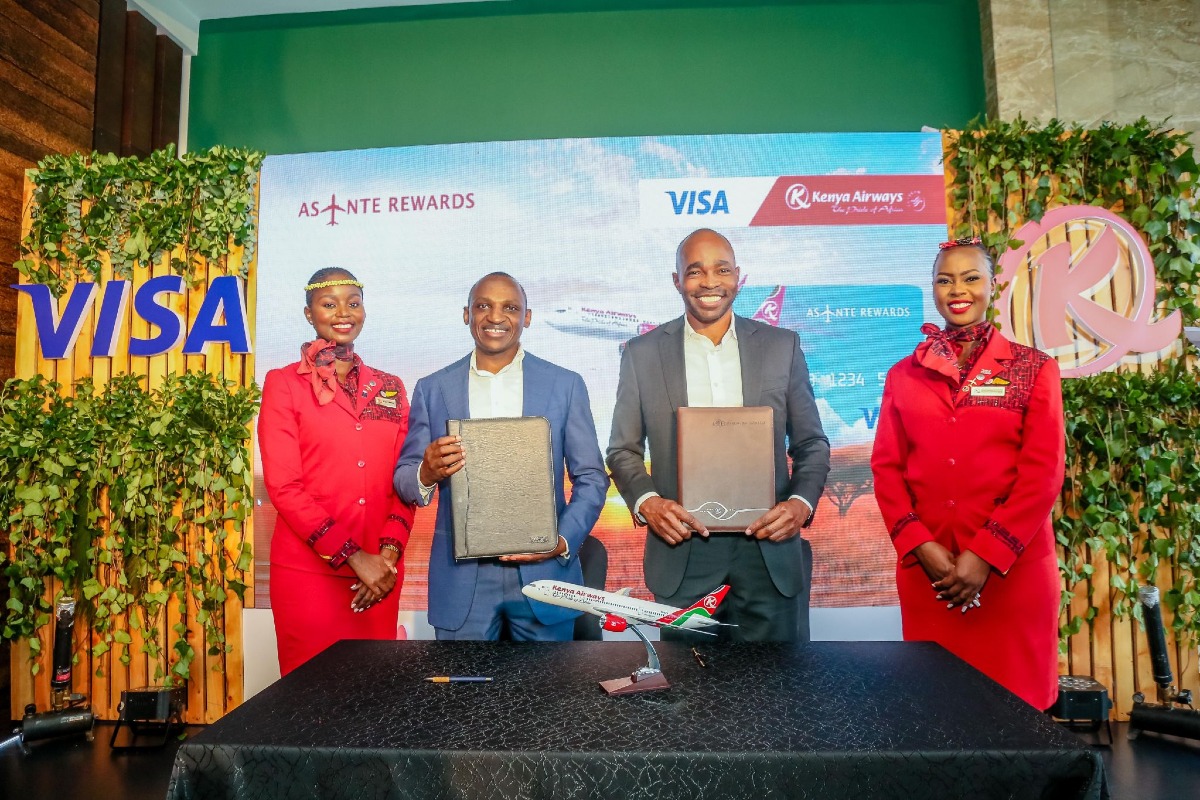
This ability to enable cross border payments is becoming central to how consumers experience the Visa brand. Whether it is a small business receiving international payments, influencer getting paid from abroad, or a family supporting loved ones across borders, Visa’s network helps move money safely and efficiently, connecting East Africa to the rest of the world with confidence. The same philosophy applies to Tap to Phone technology.
For many micro and small merchants, traditional point-of-sale infrastructure has long been a barrier to accepting digital payments. Tap to Phone removes that friction by turning an ordinary smartphone into a secure acceptance device. For a market trader, a courier, or a small retailer, this is trans-formative. There is no bulky hardware and no complexity, just the ability to accept payments instantly and securely. From the consumer’s perspective, it feels effortless. From a brand perspective, Visa becomes synonymous with simplicity, inclusion, and progress.
Behind all of this is a deep commitment to security. As digital commerce grows, so do concerns around fraud, privacy, and data protection. Visa’s investments in tokenization, Al-driven fraud prevention, and real-time risk management are foundational to our brand promise. Consumers may not see these systems, but they feel the reassurance of safer online shopping, fewer declined transactions, and stronger protection when things go wrong. In East Africa, where trust is earned through reliability, this matters profoundly.
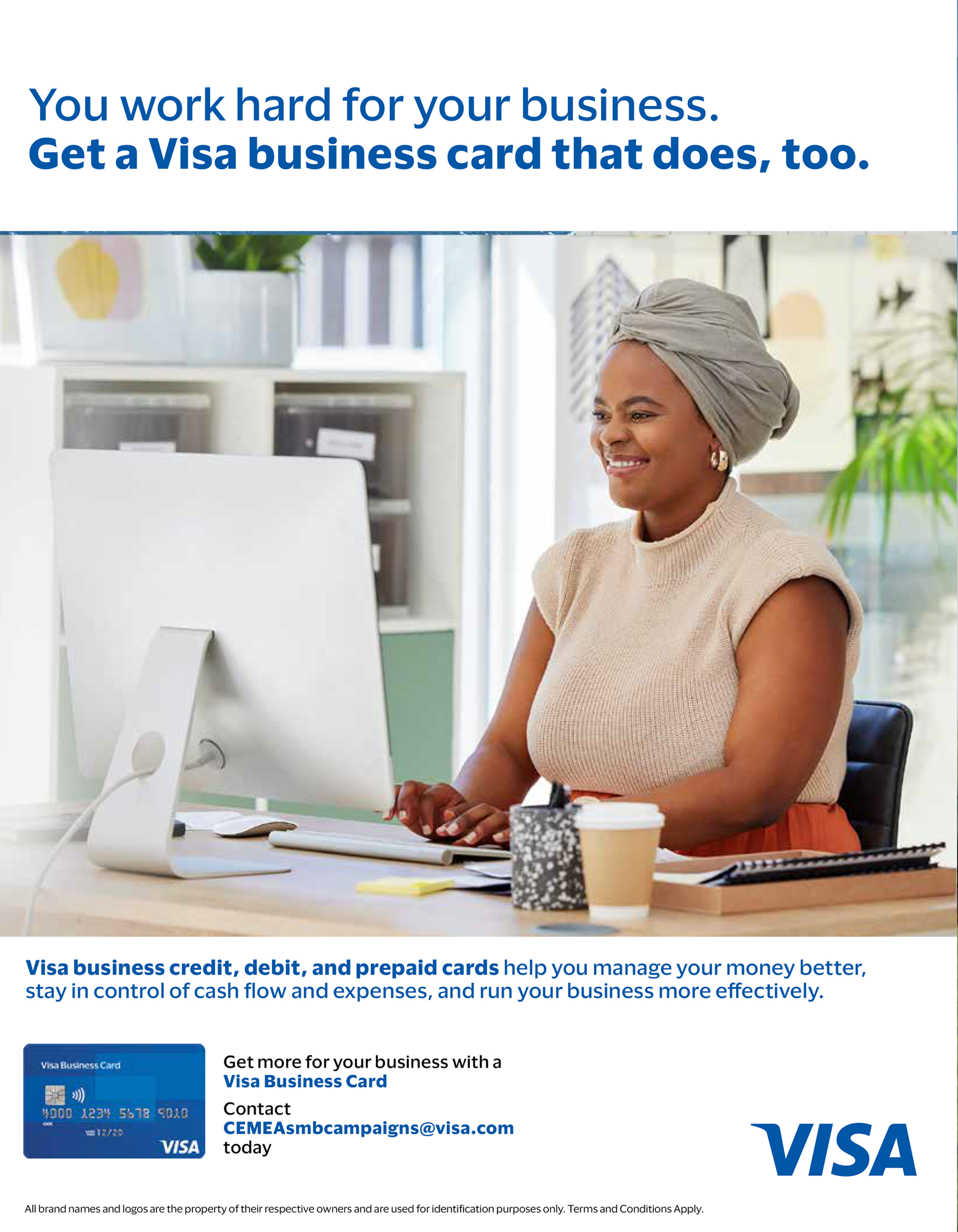
Our latest brand campaigns capture this evolution. It speaks to more than payments. It reflects how technology can unlock opportunity, connect people, and enable movement across borders, across platforms, and across life stages. For consumers in East Africa, this promise is tangible. It shows up when a payment works flawlessly. When a business grows. When a first international transaction goes through.
When digital inclusion becomes a lived reality. That commitment to everyday relevance is also reflected in local campaigns such as Bila Charges, meaning “no charges” or “zero fees” which speaks directly to one of the most practical concerns consumers have when choosing how to pay: cost. The campaign reinforced a simple but powerful messages that digital payments should not come with hidden penalties.
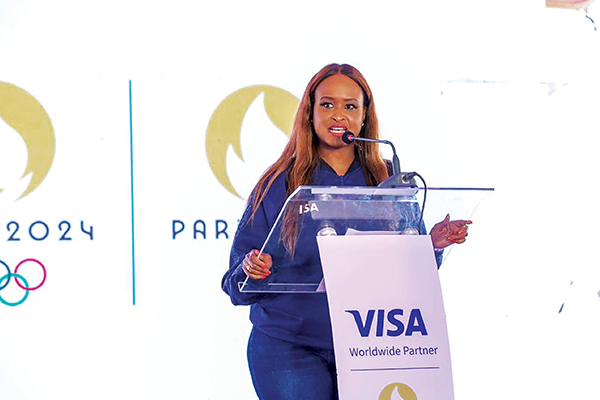
For consumers, Bila Charges was reassurance that choosing Visa was a fair, trans-parent, and consumer first decision. It helped shift behavior from cash to digital by making the value proposition immediate and tangible, strengthening trust and accelerating everyday adoption in a way only locally grounded storytelling can. While our traditional tagline “Everywhere You Want to Be” remains iconic, its meaning has been reimagined for a new generation that values journeys as much as destinations. Through high-impact global campaigns, Visa now tells stories not just of achievement, but of the everyday steps that make progress possible.
These narratives spotlight grit, resilience, and the support systems behind success. By connecting spending to identity and aspiration, Visa is humanizing its global network and reframing commerce as a tool for becoming who you want to be. Equally important is how hu- man and local our brand has become. We work closely with banks, fintechs, mobile money operators, governments, and entrepreneurs to ensure digital commerce reflects local needs and aspirations. Visa may be global by nature, but our brand in East Africa is intentionally local in expression, rooted in partnerships, relevance, and respect for how consumers actually live and pay. I have witnessed how powerful this becomes when consumers feel seen.
A merchant who adopts Tap to Phone and serves customers fast- er. A creator who receives their first international payment. A shopper who taps their phone instead of worrying about cash. In those moments, Visa is not just facilitating a transaction. We are enabling confidence, dignity, and progress. If I were to summarize what Visa means to consumers in East Africa today, it would be this. Visa is a trusted enabler of everyday ambition. It is technology that moves people securely and confidently towards a more connected and inclusive future. That is the brand we continue to build, and the responsibility we carry proudly.
Sheila Changangu is a celebrated marketing thought leader in East and sub-Sahara Africa, having been recognized several times by leading business publications, as one of the Top 25 Most Influential Women in marketing impacting business. She studied at The Catholic University of Eastern Africa in Karen-Nairobi and has been with Visa as Marketing Director for over eight years. She holds post graduate executive education certifications from Harvard Business School and GIBS Business School in RSA.