#5
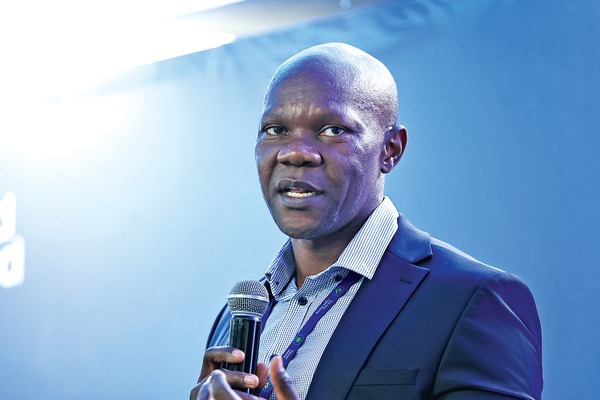
EVANS MUNYORI
HEAD, HUMAN RESOURCE – KENYA AND AFRICA STANDARD CHARTERED BANK
Redefining People and Culture in Africa’s Corporate Landscape
In a world where workplace culture often struggles to keep pace with human needs, Evans Munyori stands out as a transformative force. As the Cluster Head of Human Resources for Africa at Standard Chartered Bank, Munyori is not only shaping people strategies – but he is also reimagining what it means to lead with purpose, dignity, and inclusion.
With roots in Kenya and a deep understanding of the East African corporate environment, Munyori brings a uniquely local lens to global people practices. He is not a passive custodian of policy but a bold architect of change – challenging norms, inspiring innovation, and ensuring that people remain at the heart of business strategy. Munyori’s leadership philosophy is root-ed in a simple but powerful belief: when people feel seen, valued, and supported, they thrive – and when they thrive, so does the organization. Whether in boardrooms or in one-on-one conversations with colleagues, Munyori consistently demonstrates authentic, empathetic leadership. He combines sharp strategic thinking with deep emotional intelligence, creating a culture that balances business results with human wellbeing. In a nutshell, leading with heart and strategy.
As the Head of HR, he has never been content with maintaining the status quo. He confronts it. From mental health to gender equity, he doesn’t wait for directives from global headquarters – he leads from the front, delivering regionally relevant, impactful solutions: In essence, he is a constant champion of progressive and inclusive policies.
One of the defining features of Munyori’s leadership, is his courage to address topics often considered uncomfortable in the corporate sphere. His advocacy for inclusive policies on mental health, menopause, caregiving, and parental leave has positioned him as a pioneering voice in the private sector.

A case in point is his groundbreaking work on menopause support – a subject many leaders shy away from. Under his leadership, Standard Chartered became one of the first institutions in the region to introduce a comprehensive menopause policy. This initiative was not just about employee benefits; it was about restoring dignity, acknowledging lived experiences, and integrating life-stage realities into workplace planning. For Munyori, inclusive leadership goes beyond gender; item-braces age, experience, and the full spectrum of human identity. In other words, humanizing the workplace is his compass.
Munyori doesn’t just implement policy – he listens. He prioritizes understanding the real needs of employees and translates those insights into practical, progressive action. His vision includes flexible work models, redefined caregiving norms that empower men to take active roles at home, and a shift in mindset around parental responsibilities. These changes aren’t about trends – they’re about meeting people where they are.
His approach to transformation is not only top-down but also bottom-up. He in-vests in the everyday experiences of employees – mentorship, feedback forums, peer learning circles, and leadership con-versations – all aimed at embedding a sense of belonging, visibility, and psycho-logical safety. For Evans, HR is not a department – it’s a culture in action.
One of his most compelling leadership strategies is his work with mid-level man-agers – whom he sees as the true custodians of organisational culture. He empowers them to lead with values, authenticity, and empathy, rather than simply enforcing rules. His message is clear: meaningful culture change doesn’t stem from top-down declarations; it’s built through thousands of micro-moments that show employees they matter. With this style, Evans’s focus is building culture custodians, not just policy agents.
This bottom-up empowerment reflects Munyori’s broader legacy – a shift from compliance-driven HR to people-first leadership. He measures success not just through traditional HR metrics but through the trust, inclusion, and emotion-al engagement of his people.
A Lasting Legacy
In cementing a lasting legacy, Munyori’s leadership extends beyond the corporate world. He is an advocate for nurturing the next generation of HR professionals, particularly from underrepresented backgrounds. Through mentorship and community engagement, he promotes values-first leadership and the power of quiet influence. Known for his calm presence and thoughtful approach, he inspires trust, embraces discomfort as a growth tool, and creates space for honest conversations.
Importantly, he ensures that his work is contextually grounded. He doesn’t copy paste global models – he co-creates people strategies that reflect local realities, cultures, and aspirations. His work is felt not only in HR dashboards, but in the safer, brighter, and more human-centered workplaces he continues to help build.
He is also involved in mentoring young men – a gap he feels is widening in Kenya and that needs attention.
Munyori represents a new generation of human capital leaders – those who do not seek to control culture, but to co-create it. His journey illustrates that sustainable change is not about grand gestures, but about consistent, values-driven leadership. In a time when organisations are searching for meaning and resilience, he offers a clear blueprint: start with people, lead with purpose, and build cultures where everyone can belong.
He is, without doubt, one of Africa’s most visionary change makers in the people and culture space, an HR leader who is not just changing policies, but trans-forming lives, while redefining HR for the future.