#14
STANBIC FOUNDATION
Stanbic Foundation builds stronger pathways to economic opportunity
Across the country, young people are searching for jobs, entrepreneurs are trying to grow businesses, and women are working tirelessly to support families and communities. Yet too many remain disconnected from the skills, financing, networks, and market opportunities required to prosper.
The numbers tell a compelling story. Nearly one million young Kenyans enter the labour market every year, while micro, small, and medium enterprises (MSMEs) contribute an estimated 40% of Kenya’s GDP, represent approximately 98% of businesses, and generate a significant share of new jobs. Women own close to a third of Kenyan SMEs, yet many continue to face barriers to finance, business growth, and formal economic participation. These realities are not simply development challenges; they represent one of Kenya’s greatest untapped opportunities.
Addressing these challenges demands collaboration, innovation, and institutions willing to bring together diverse actors around shared solutions. That is the role Stanbic Kenya Foundation aspires to play.
When Stanbic Kenya Foundation was established in 2020, its mission was clear: to create opportunities for individuals and communities to thrive.
Over the past five years, the Foundation has invested in programmes that expand access to finance, build entrepreneurial capabilities, promote digital inclusion, strengthen education outcomes, and empower women and youth across Kenya. But as our work has evolved, so too has our understanding of what it takes to create lasting change.
We have learned that economic inclusion is rarely constrained by a single factor. An entrepreneur may need access to finance but also struggle to find customers. A young person may acquire valuable skills but lack pathways into employment or enterprise. A woman may run a thriving informal business yet remain excluded from opportunities to scale because she lacks access to networks, markets, or formal financial systems. Real transformation occurs when these barriers are addressed together. This is why our focus is increasingly shifting from supporting isolated activities to strengthening the ecosystems that enable long-term economic participation and growth.
Unlocking Economic Opportunity for Women
Women are among Kenya’s most important economic drivers. They run businesses, support households, create jobs, and sustain communities. Yet many continue to face structural barriers that limit their ability to access financing and grow their enterprises.
Research suggests that women own approximately 31% of SMEs in Kenya, highlighting both their significant contribution to the economy and the scale of the opportunity that exists when women entrepreneurs are empowered to thrive.
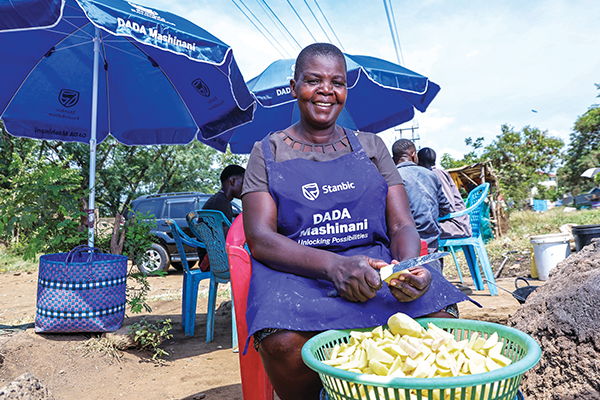
Through initiatives such as Dada Mashinani, Stanbic Kenya Foundation is working alongside partners to expand economic opportunities for women operating in underserved and informal markets. By combining financial literacy, business development support, mentorship, market connections, and the confidence to pursue growth opportunities, the Foundation is helping women move beyond survival and towards sustainable enterprise growth.
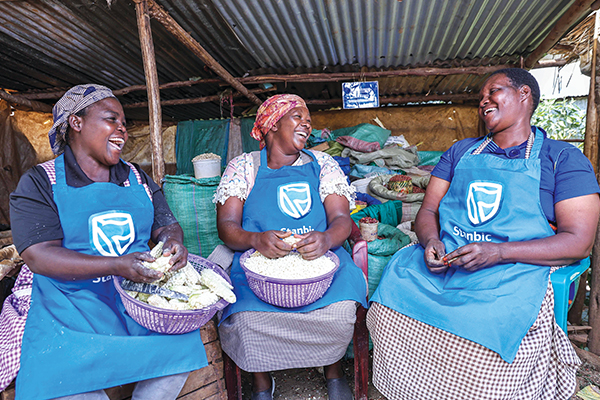
The goal is not merely to increase financial inclusion, but to enable more women to participate meaningfully in the economy and contribute to Kenya’s long-term prosperity.
Preparing Young People for a Digital Future
Kenya has strong demographic potential. With nearly one million young people entering the labour market annually, the country’s future will be shaped by how effectively it equips its youth for a rapidly changing world.
Technology is transforming industries, creating new forms of employment, and redefining the skills required to succeed. Yet access to digital skills remains uneven, particularly among underserved communities.
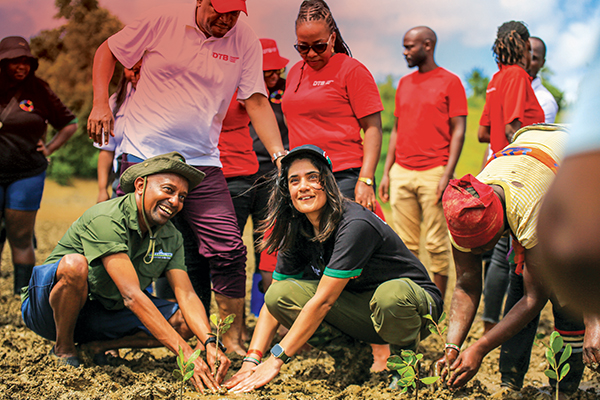
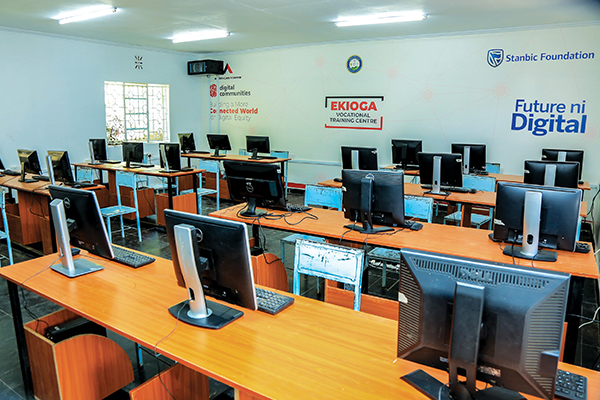
Through the Future Ni Digital programme, Stanbic Kenya Foundation is helping young people, women, and entrepreneurs build the capabilities needed to participate in an increasingly digital economy.
Working alongside strategic partners, the programme has provided digital and entrepreneurship training to more than 250,000 individuals across the country, helping people access real economic opportunities.
Strengthening the Backbone of the Economy
Across Kenya, MSMEs are the engines of growth. From market traders and manufacturers to agribusinesses and service providers, these enterprises create jobs, drive innovation, and support livelihoods in communities large and small.
Yet many entrepreneurs continue to face persistent obstacles, including limited access to capital, inadequate business support structures, weak market linkages, and challenges with business formalization.
Over the years, Stanbic’s work with MSMEs has focused on building ecosystems that give enterprises skills to manage growth, the confidence to innovate, the networks to access new markets, and the support structures that enable resilience and scale.
By investing in enterprise development, financial literacy, mentorship, and market-oriented partnerships, the Foundation seeks to strengthen the foundations upon which businesses can grow and create jobs.
The Power of Partnership
To solve the complex challenges of economic inclusion, the Stanbic Foundation partners with organizations with different capabilities towards shared outcomes. Backed by the belief that partnerships are critical for learning, innovation, and collective action, the Foundation has partnered with county governments, national institutions, development organizations, private sector actors, technology partners, and community-based organizations.
These partnerships have created opportunities to test new ideas, scale successful approaches, and address Kenya’s development challenges.
Looking Ahead
As Stanbic Kenya Foundation enters its next phase, it continues to focus on shaping conversations, generating insights, and convening partnerships that unlock economic opportunity at scale. Aiming to address the barriers that continue to exclude millions of people from economic participation, the Stanbic Foundation is not only supporting communities but also strengthening the systems that enable them to succeed.